* Image for illustration only
HCPCS L0650
Lumbar-Sacral Back Brace
Rigid front and back panels with adjustable side pulls to stabilize the lower back and ease pain during recovery.
Used for: Lower back pain, Disc support, Post-injury

* Image for illustration only
HCPCS L3916 is a prefabricated, off-the-shelf wrist hand orthosis (WHO) that holds the wrist in a stable, neutral position. It reduces strain on the tendons and nerves of the wrist and hand, which can ease pain, numbness and swelling. We size it to your hand and show you how to wear it day and night if your doctor recommends it.
Used for: Carpal tunnel, Wrist sprain, Tendonitis
Medicare braces (orthotics) benefit and the DME MAC Standard Documentation Requirements. There is no separate code-specific LCD for wrist hand orthoses, so the brace must be reasonable and necessary for your condition.
New York is in phase 1 of new Medicare rules for L3916. Starting October 28, 2026, it requires prior authorization, a face-to-face visit with the treating practitioner within 6 months before the written order, and a written order before delivery.
A prescription and a recent visit note or progress note. Your doctor can fax both to (844) 438-5893, or you can bring them to the store.
* Image for illustration only
Rigid front and back panels with adjustable side pulls to stabilize the lower back and ease pain during recovery.
Used for: Lower back pain, Disc support, Post-injury
* Image for illustration only
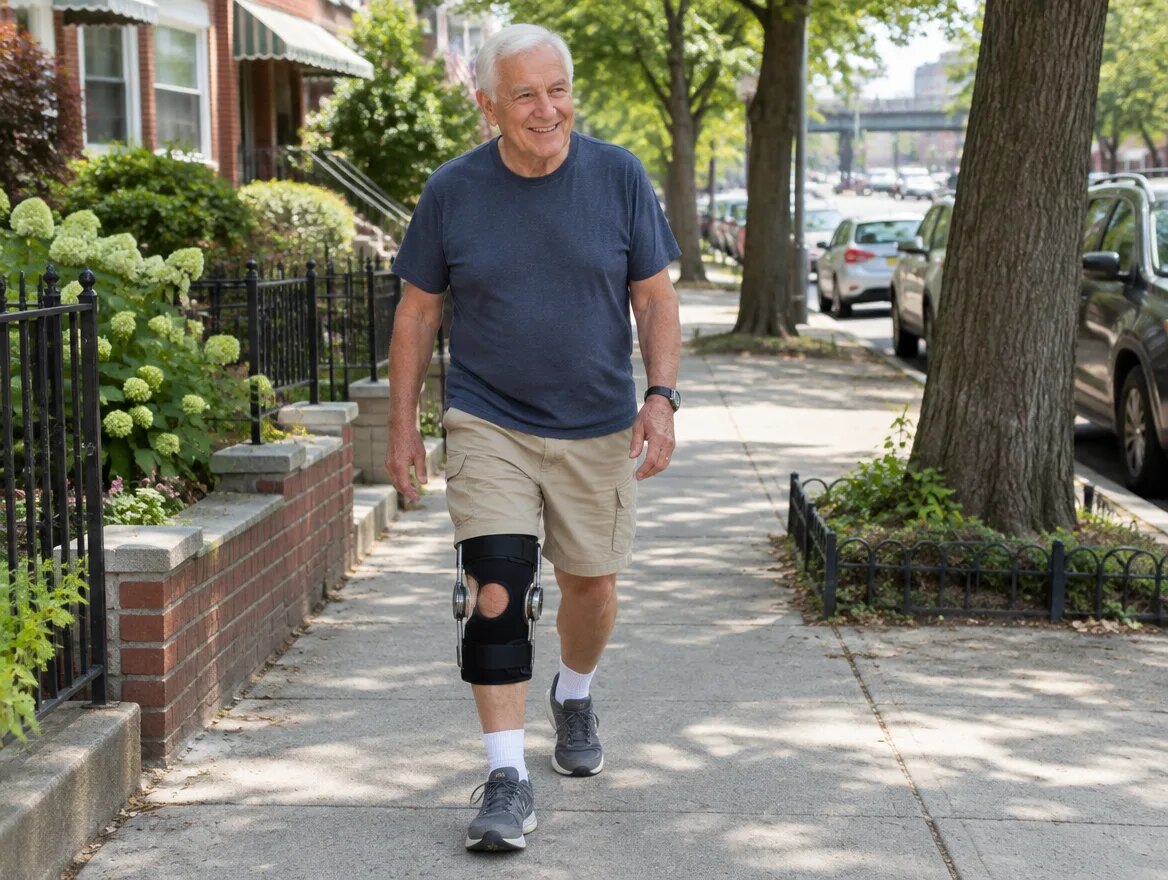
Adjustable hinged knee joints with rigid side support to protect and steady the knee through everyday movement.
Used for: Knee instability, Ligament support, Arthritis
* Image for illustration only
A lightweight brace that supports the ankle and lifts the front of the foot, for safer, steadier walking.
Used for: Foot drop, Ankle weakness, Walking stability
* Image for illustration only
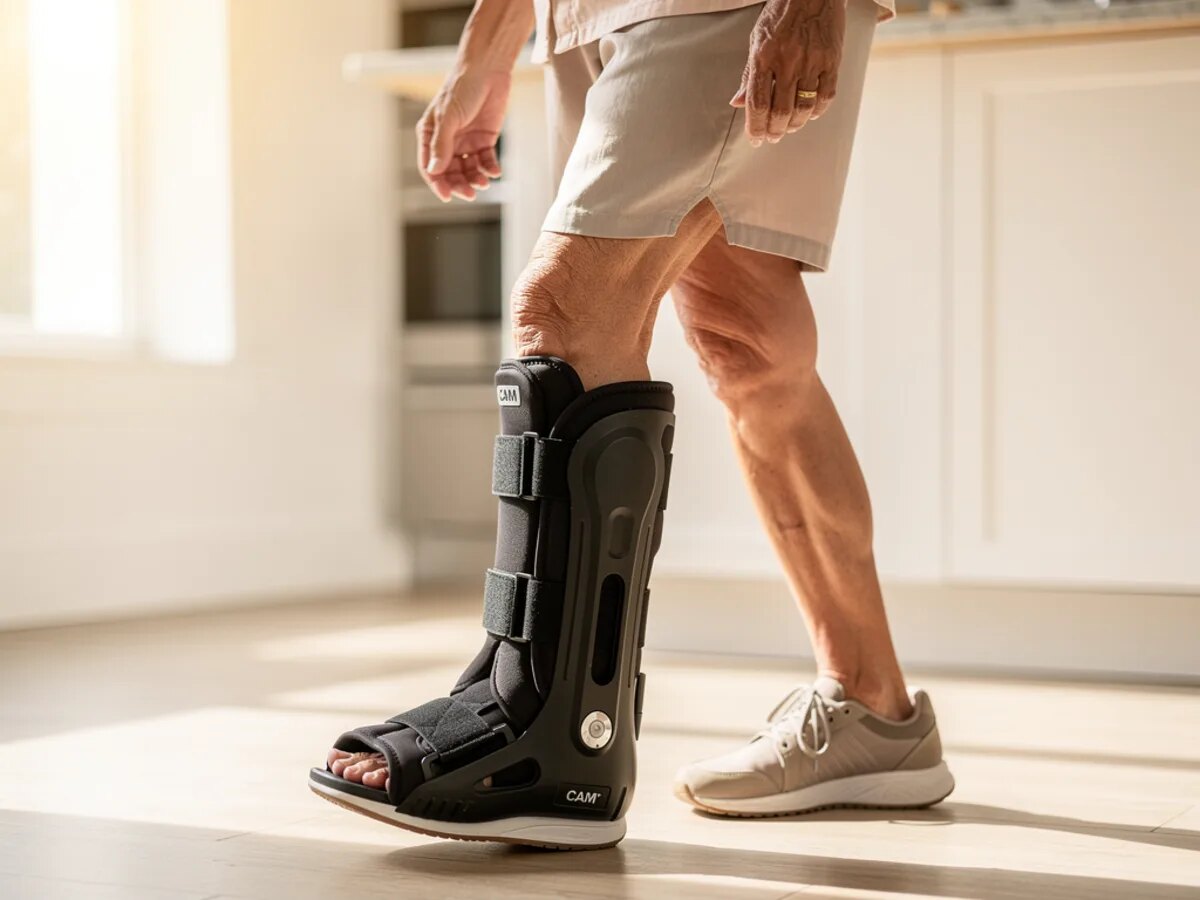
A pneumatic walking boot that protects the foot and ankle while a fracture, sprain or surgery heals.
Used for: Ankle or foot fracture, Severe sprain, After foot surgery
* Image for illustration only
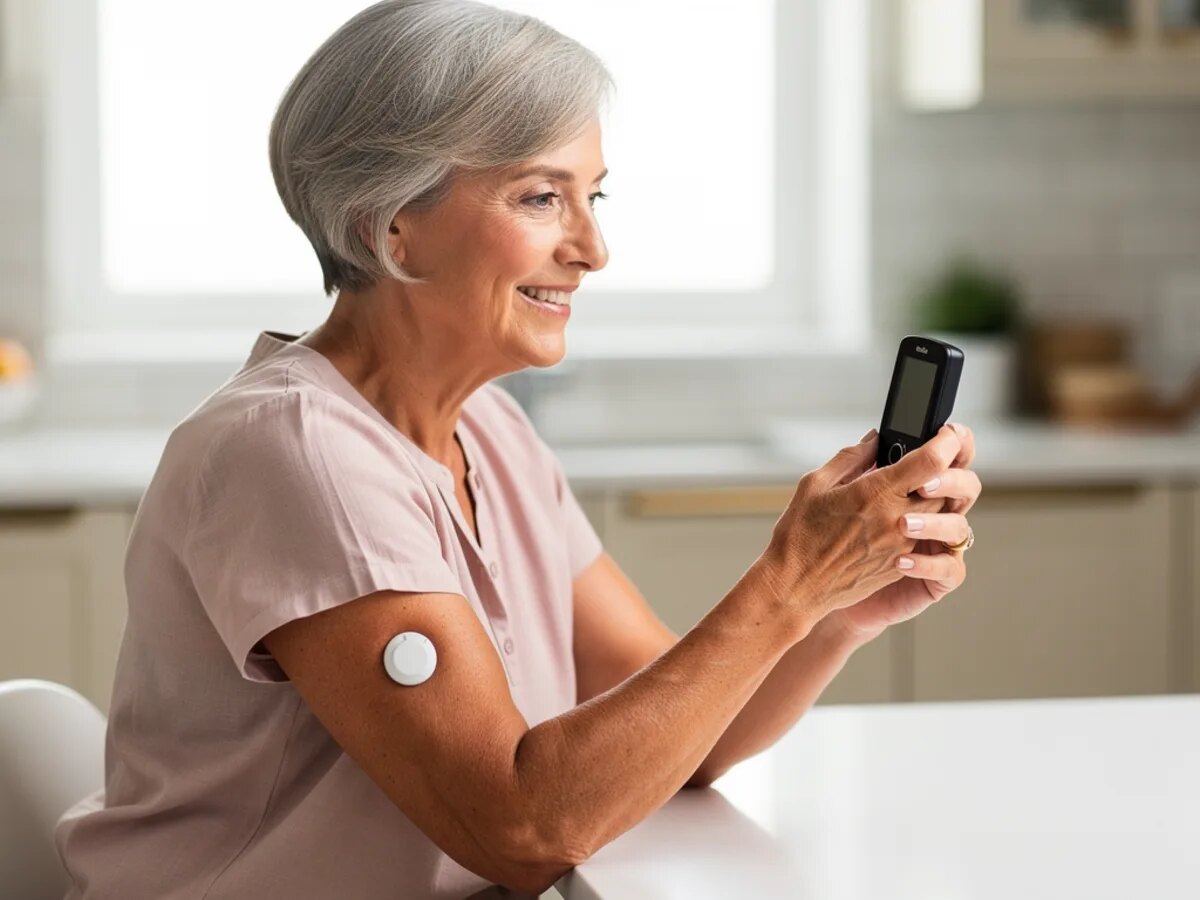
A continuous glucose monitor: a small sensor on the back of the arm and a reader that shows your glucose, with no routine fingersticks.
Used for: Diabetes on insulin, Low blood sugar episodes, Glucose tracking
Answer five quick questions, or call us. We check your benefits for you.